

Double-Hung Window Replacement in the Chicago Suburbs
Double-hung windows are the most common window style in residential construction. Versatile, easy to operate, and when installed correctly, they deliver strong thermal performance through Chicago's cold winters and humid summers.
What Is a Double-Hung Window?
A double-hung window is a window with two operable sashes. Both the upper and lower sash slide vertically within the frame, and most modern double-hung units allow both sashes to tilt inward for cleaning from inside the home. This distinguishes double-hung windows from single-hung windows, where only the lower sash moves. The ability to open from both the top and bottom provides ventilation control that suits bedrooms, living rooms, kitchens, and nearly any other space in a residential or light commercial building.
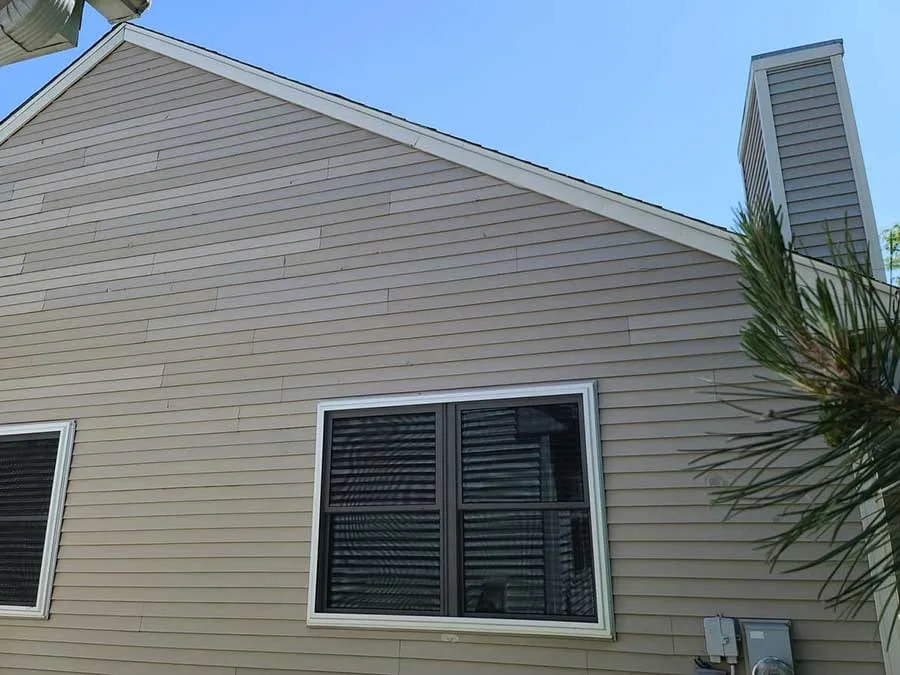
Performance and Energy Efficiency
Double-hung windows perform at their rated efficiency only when installed correctly. A window's U-factor and Solar Heat Gain Coefficient (SHGC) ratings are measured under lab conditions. Achieving those numbers in the field requires a properly sealed rough opening, continuous head flashing to divert water away from the frame, a sloped sill pan to drain any water that enters the gap, and thorough air sealing with low-expansion foam between the frame and the rough opening framing.
We evaluate each opening before installation. If the existing frame shows rot, moisture damage, or out-of-square conditions, we address those issues before the new window goes in. Skipping that step transfers the problem to the new unit and shortens its service life. Every double-hung window we install includes interior and exterior trim finishing so the opening is completely weather-tight when we leave the job.
Glass package selection also affects performance. Double-pane glass with an argon fill and Low-E coating is appropriate for Chicago-area applications, balancing insulation value, clarity, and cost.
Best Applications
- Bedrooms and living rooms where top-down ventilation is useful for airflow control
- Rooms on upper floors where exterior cleaning access is limited and tilt-in functionality is valuable
- Full-frame replacement projects on homes with failed or damaged existing frames
- Insert replacements where the existing frame is structurally sound and square
Frequently Asked Questions
A double-hung window has two independently operable sashes that both slide vertically. Both sashes typically tilt inward for easy cleaning from inside the building. This is the most common window configuration in American residential construction.
In a double-hung window, both the upper and lower sash move. In a single-hung window, only the lower sash opens. Double-hung windows provide more ventilation control and easier maintenance through tilt-in cleaning. Single-hung windows carry a lower unit cost, which makes them appropriate for secondary spaces or projects where budget is the primary constraint.
A properly installed double-hung window with a quality frame and insulated glass unit should last 20 to 30 years before the sealed glass unit begins to fail or the weatherstripping deteriorates significantly. Installation quality is the primary factor that shortens that lifespan. A window installed without proper air sealing or head flashing can begin showing performance degradation within five years. Frame material also matters: vinyl and fiberglass frames outlast aluminum in high-moisture environments.
Yes, when installed correctly. Modern double-hung windows with Low-E glass, argon fill, and insulated frames carry U-factors as low as 0.22, which meets or exceeds Energy Star requirements for the Northern climate zone. The compression seal used by casement and awning windows is tighter than the meeting rail seal in a double-hung, so casement windows edge out double-hung in pure air infiltration performance. But a properly weatherstripped double-hung installed with full air sealing performs well in real-world conditions.