Storm damage restoration
Storm damage and insurance restoration
A free Proof-of-Value Roof Inspection after any hail, wind or storm event. Photo and drone documentation of the damage, a meeting with your adjuster on your property, and complete restoration by one licensed local contractor, from first call to final cleanup.
What this service is
A storm claim starts with documented evidence.
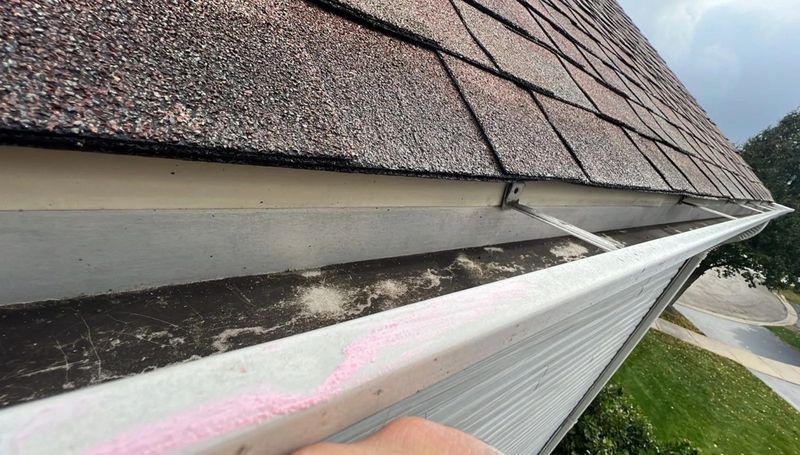
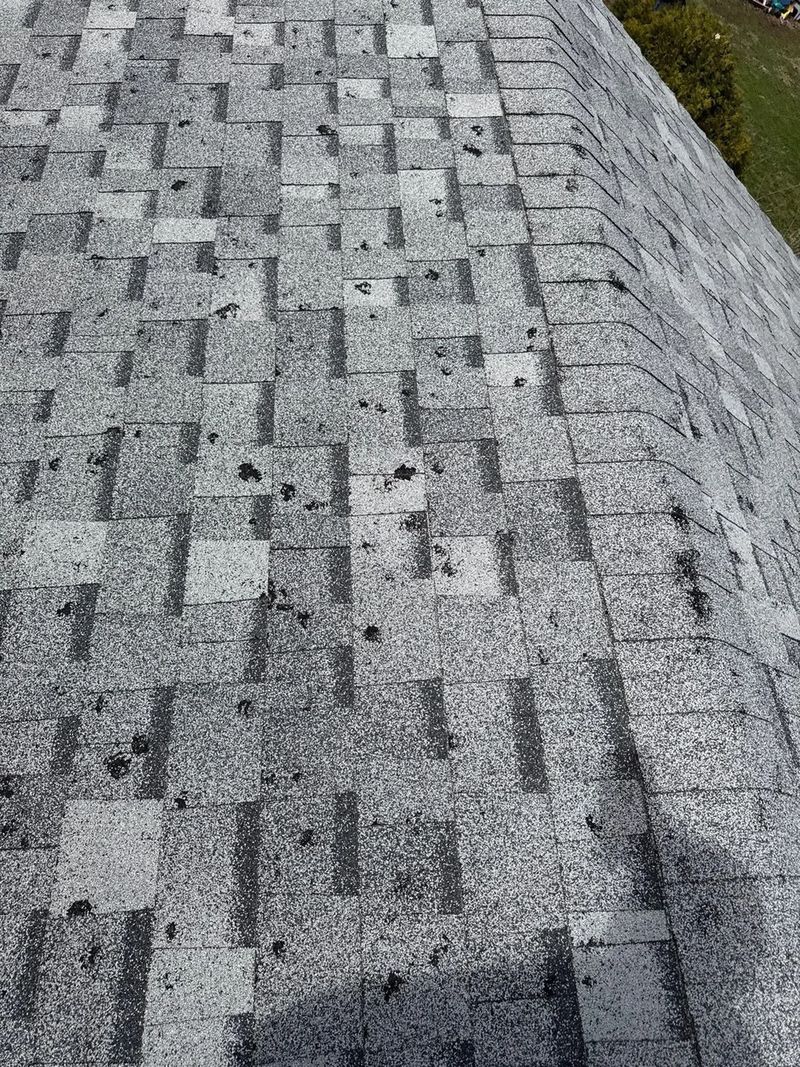
Most hail damage cannot be seen from the ground, and the insurance side is where most homeowners feel lost. A complete Proof-of-Value Roof Inspection produces the photo log, drone aerial coverage, chalk markings on every impact and the written scope your carrier needs to settle the claim accurately.
A quick note on our role
Americanstruction works strictly as your licensed roofing contractor, not a public adjuster. We document the damage and do the work. You stay in control of your claim.
What you get from us
Six things a storm damage claim should include
Free Proof-of-Value Roof Inspection
Scheduled inspections during active storm events. Free, documented, no obligation.
Full photo documentation
Every slope captured from the ground and from the air, with chalk marks on every impact point.
Written damage report
Formatted for direct submission to your insurance carrier.
Adjuster meeting on your property
We meet your adjuster on site and walk the roof together.
Documentation for your claim
We hand you the documentation and date-of-loss detail that supports your claim.
Full repair or replacement
We restore the roof and any covered exterior systems, start to finish.
How it works
How a storm-damage roof claim works
Six steps from first call to final paperwork. You open the claim and you stay in control of it.
Free documented inspection
We inspect the roof, siding, gutters and soffit and photograph every impact, crease and lifted shingle, with drone and close-up photos. You get a written report whether or not you file.
You open the claim
You contact your carrier and file. We hand you the documentation and date-of-loss detail that supports it.
Adjuster meeting on site
We meet your insurance adjuster on the roof and walk the damage together, so the scope reflects what actually happened.
Scope and approval
The carrier issues a scope of loss and an estimate. We compare it with our findings and document anything missed for a supplement.
We do the work
Once approved, we install a manufacturer-certified system to code, pull the required permits and document the build.
Final paperwork
Photos of the completed work, warranty paperwork, a paid invoice for your records, and the documentation your carrier needs to release recoverable depreciation.
Real roofs restored
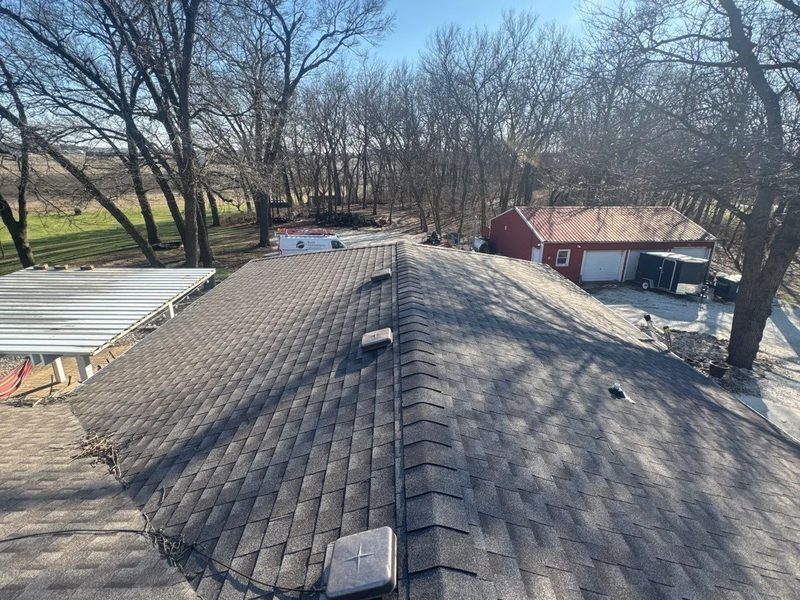
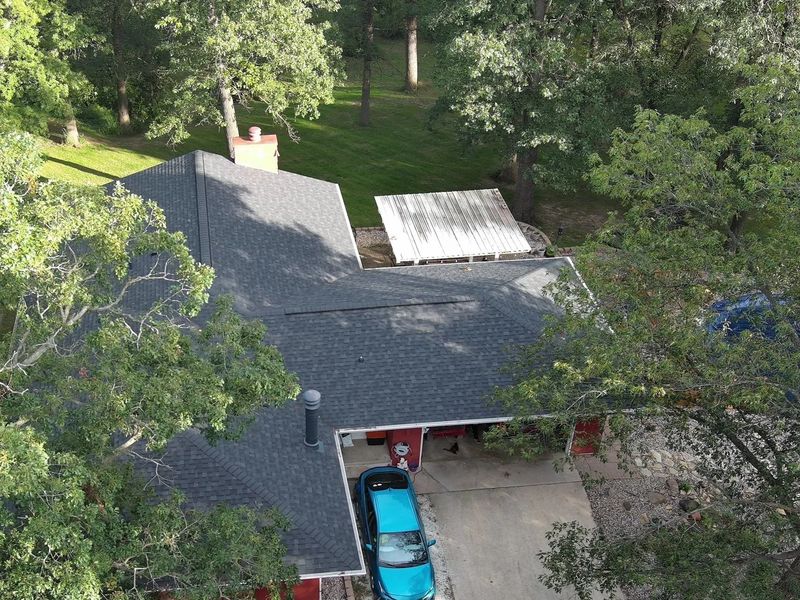
Storm restorations, before and after
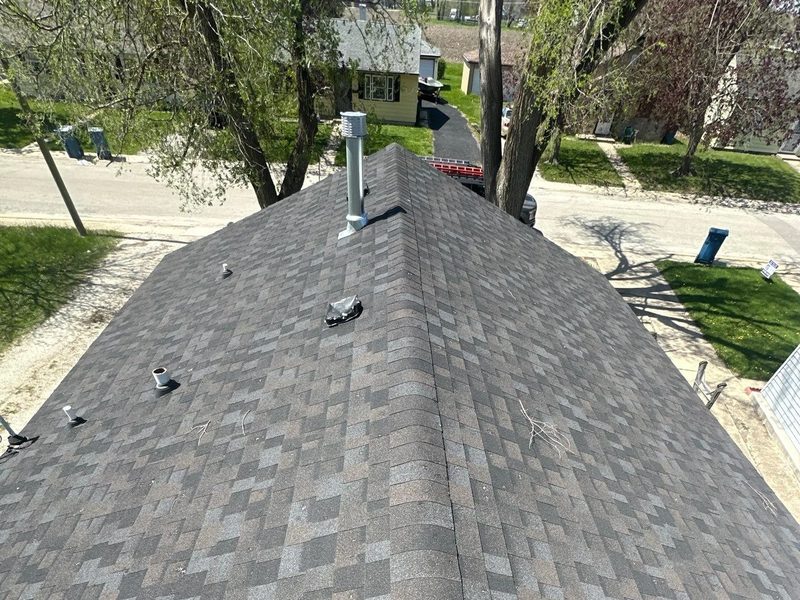
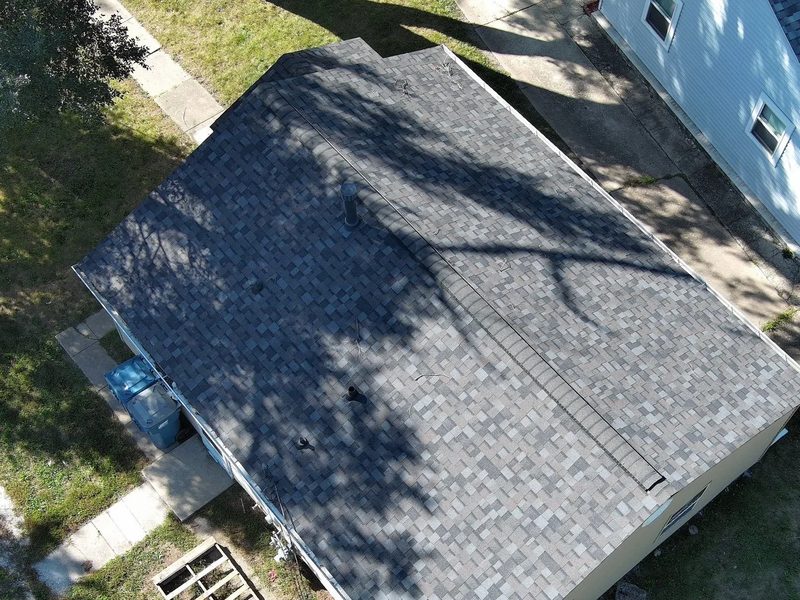
Two of the homes we restored after the March 10, 2026 hail storm in the Kankakee area, documented by the National Weather Service.
What we document
Evidence your carrier can verify
Insurance adjusters look at specific things. Our inspection captures each of them with timestamped photos and a written walkthrough.
Roof surface damage
Hail impact marks, granule loss patterns, dented ridge cap, cracked or displaced shingles and soft spots underfoot, with slope-by-slope chalk marking on every visible impact.
Metal and flashing
Dents in vent pipes, drip edge, gutters, downspouts, roof flashing and chimney caps. Metal is often the easiest hail evidence for a carrier to verify.
Collateral damage
AC condenser fins, window screens, garage doors, siding and trim. Carriers look for collateral damage to confirm the storm reached your address.
Date and storm verification
Hail event date confirmation through NOAA storm reports and activity on nearby properties.
What our customers say
Homeowners trust us with the hard calls
Reviews our customers left on Google, quoted as written.
We contacted Americanstruction when a national restoration contractor stalled on our hail damage repair. Pamela and Connor responded immediately, had a quote in two days, and finished the job in two weeks. The work was excellent and the cleanup was meticulous. I wish we had found them first.
We recently had our roof and gutters replaced by Americanstruction. Connor kept us informed through the whole process, the crew did a real nice job on the tear-off and shingles, and the finished product looks great. I highly recommend them for roofing, gutters, and siding.
The entire experience was outstanding from start to finish. Connor was prompt, professional, and communicated clearly. You can really tell this is a family-owned business that takes pride in their work and genuinely cares about their customers. I highly recommend them for honest, reliable work.
Important warning
Be wary of out-of-state storm chasers.
After a major storm, out-of-state contractors flood the Chicago suburbs. They open a local LLC, knock doors for a few months, do the work as fast as possible and move on to the next storm market.
A year later, when that roof needs warranty service or a leak callback, the homeowner finds out the company no longer services the area. If your contractor is not local, they are not accountable. Ask where they were five years ago, and where they will be five years from now.
How to spot a storm chaser
- Door-knocking right after a storm
- Out-of-state plates on the truck
- An LLC registered less than 12 months ago
- Pressure to sign a contract on the spot
- No physical office in the area you can visit
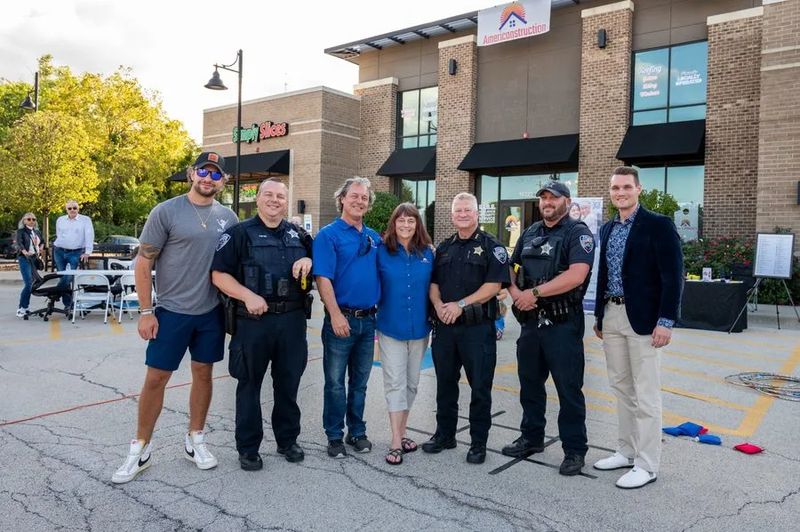
Americanstruction is family-owned, with an office you can visit at 19222 LaGrange Rd in Mokena. Illinois Roofing License #104.018983, BBB Accredited, with certificates of insurance and bonding available on request.
Storm damage and insurance questions
How do I know if my roof has hail damage?
Most hail damage on asphalt shingle roofs is not visible from the ground. Common signs: granules collecting in gutters or downspouts, dark or shiny circular spots on shingles, dented metal flashing and roof vents, dings on AC condenser fins and pitted window screens. If a storm has moved through, a free inspection documents the damage while it is fresh.
How long after a storm do I have to file a claim?
Carriers set a reporting window, often around a year from the date of loss, but it varies by policy, so check yours with your agent. The bigger risk is that undocumented damage becomes hard to prove once new weather rolls through, so the safest move is a documented inspection soon after the storm.
Should I get a roof inspection before or after the adjuster visits?
Before, if you can. A documented inspection gives you photos and a written report from a licensed roofing contractor, so you know what is on your roof before the carrier's adjuster arrives. We then meet your adjuster on site and walk the damage together.
What does Americanstruction do during the insurance claim process?
We document the damage with a free Proof-of-Value Roof Inspection, including drone photography, slope-by-slope photos with chalk-marked impact points and a written report formatted for your carrier. You open the claim. We meet your adjuster on the property to walk through the findings, and once the claim is approved we complete the repair or replacement. We are your licensed contractor, not a public adjuster.
What if my claim is denied or the scope misses damage?
Ask your carrier about its re-inspection process and keep our written report and photos on hand. If code items or hidden damage turn up during the work, we document them for a supplement. Decisions on your claim stay between you and your carrier: we work strictly as your licensed roofing contractor, not a public adjuster.
Does insurance cover repair or full replacement?
Coverage depends on the cause of loss and your specific policy. Storm damage from named perils like hail, wind and falling trees is commonly covered, while normal aging is not. Policy exclusions, replacement cost or actual cash value terms, and roof-age depreciation all affect the settlement. The insurance terms, explained.
What areas do you serve for storm damage restoration?
Mokena, Frankfort, New Lenox, Orland Park, Tinley Park, Homer Glen, Orland Hills and Manhattan, and across Will, Kane, DuPage and Suburban Cook counties. If a storm has moved through your area, call us and we will confirm we cover your address. All service areas.
Keep exploring
Free Proof-of-Value Roof Inspection
Storm hit your roof? Schedule a free inspection.
Free, documented, no obligation. Tell us what happened and our team will call you back during business hours.