

Soffit and Fascia Replacement in the Chicago Suburbs
Soffit and fascia serve a structural and ventilation function that directly affects the performance of the roof above them.
What Soffit and Fascia Actually Do
Soffit is the horizontal panel that closes the underside of the roof overhang between the exterior wall and the fascia board at the eave. Properly vented soffit panels provide the intake airflow that attic ventilation systems depend on to function. Cold air enters through the soffit, travels up through the attic, and exhausts through ridge vents or box vents near the peak.
This airflow regulates attic temperature in summer, reducing cooling load. More critically in the Chicago climate, it manages moisture in the attic during winter, reducing the condensation buildup that degrades insulation and causes mold growth in attic cavities.
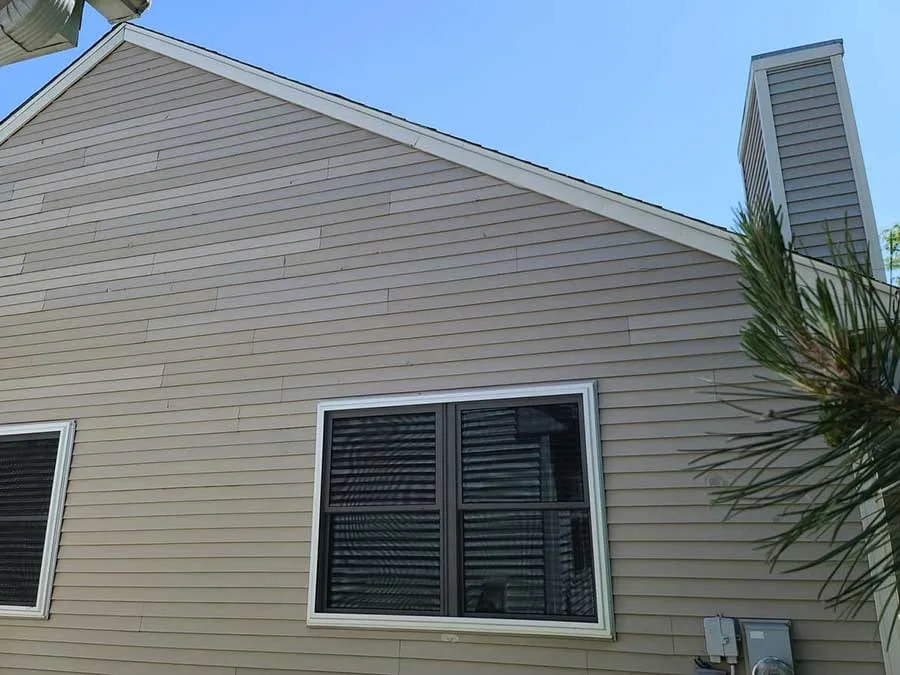
Fascia: The Finished Edge That Frames Your Home
Fascia is the trim board that runs along the edge of the roof, and it has the single biggest impact on how crisp and finished your roofline looks from the street. Clean, straight, freshly clad fascia frames the entire house. Worn, peeling, or rotted fascia drags down the look of even a brand-new roof. This is one of the highest-visibility exterior details on the home, and we treat it that way.
Fascia does not only run along the eaves where the gutters mount. It also runs up the gables as rake trim, framing the sloped edges of the roof. Carrying a consistent fascia material and color across both the eaves and the gables is what gives the whole exterior a unified, intentional look rather than a patchwork.
Signs of Damage
Soffit and fascia damage often develops gradually and is not noticed until it has progressed significantly. Signs that warrant inspection include:
- Peeling or blistering paint along the roofline
- Visible rot, soft spots, or holes in fascia boards
- Staining on the fascia or siding below the roofline
- Gutters pulling away from the house without obvious cause
- Evidence of pest entry (wasps, bees, birds, or squirrels accessing the attic)
- Ice dam formation at the eaves during winter
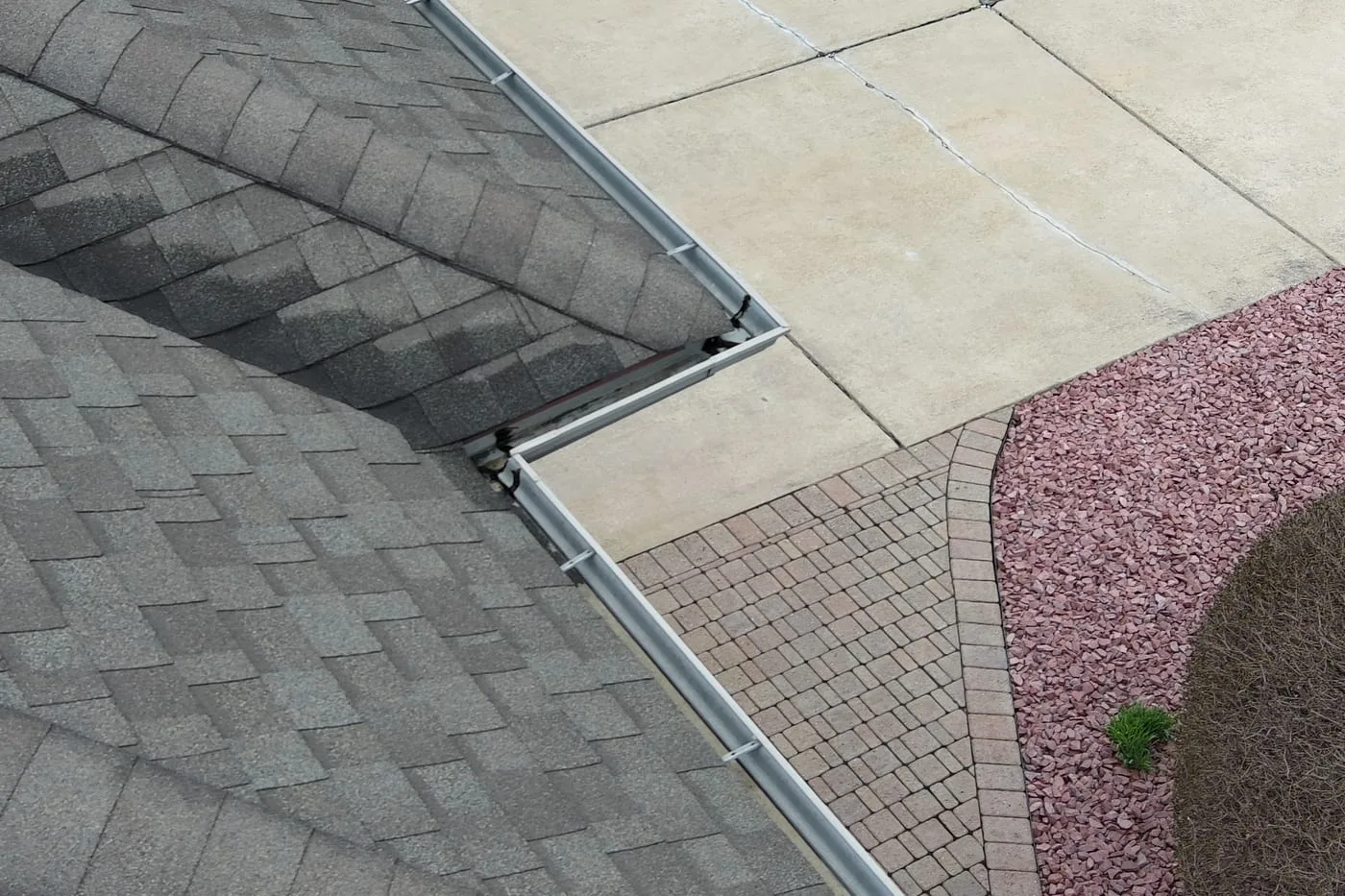
Substrate First
The cladding material installed over deteriorated wood substrate will fail early regardless of its quality rating. We probe and assess the condition of the rafter tails and fascia board substrate before any cladding is installed. Where rot is present, we replace the affected lumber before covering it. This is the step most contractors skip because it costs time and material, and it is the step that determines whether the repair lasts or fails again in three years.
Material Options
Aluminum is the most common choice for soffit and fascia cladding in the Chicago suburbs. It does not rot, resists moisture, and is available vented and solid. Aluminum is compatible with aluminum gutter systems and provides a clean, consistent appearance along the roofline.
Vinyl soffit and fascia is similarly durable and is often preferred where the existing siding is vinyl for color continuity. Vinyl soffit is available in vented, triple-vented, and solid configurations.
Engineered wood (LP SmartSide) is available for applications where a wood-grain appearance is desired, and it performs better than solid wood in moisture-exposed applications.
We do not reinstall solid wood soffit or fascia where it has failed due to moisture exposure unless it is part of a historically sensitive restoration.
Frequently Asked Questions
Soffit is the underside panel closing the gap between the exterior wall and the edge of the roof overhang. Fascia is the trim board at the edge of the roof that caps the rafter tails and runs along both the eaves and the gables. Together they create the clean, finished line that frames the roof, and the soffit also provides ventilation intake for the attic.
Key indicators: peeling paint along the roofline, visible rot or soft wood when probed, gutters pulling away from the house, pest entry at the eave, interior staining near the roofline, or ice dams forming at the eaves during winter. If gutters are failing without obvious cause, the fascia should always be inspected before re-hanging them.
Aluminum is the standard choice in the Chicago suburbs for its durability, moisture resistance, and low maintenance. Vinyl is a solid alternative particularly where the house has vinyl siding. Wood is not recommended as a replacement material in moisture-exposed eave applications given the climate's freeze-thaw cycle and the repeated conditions that caused the original failure.
Soffit and fascia replacement in the Chicago suburbs typically ranges from $1,500 to $6,000 for a residential home, depending on linear footage, substrate repair scope, and material selection. Projects requiring significant rafter tail or fascia board replacement run higher. We provide written estimates after a site inspection.