

Vinyl Siding Installation in the Chicago Suburbs
Premium vinyl siding installation starts with choosing the right product for the Midwest climate, not the cheapest panel that ships fast.
Why Vinyl Siding Thickness Matters
Builder-grade vinyl siding is typically .040" thick or less. It flexes, fades faster, and buckles under the kind of temperature swings common between Illinois winters and summers, sometimes 100+ degrees of differential in a single year. We install panels at .044" thickness or greater, which provides the rigidity, dimensional stability, and impact resistance the Midwest climate demands.
- Thicker panels hold color longer and resist fading
- Greater rigidity prevents buckling and oil-canning
- Improved impact resistance for hail-prone areas
- Better fastener retention and dimensional stability
Profiles and Styles
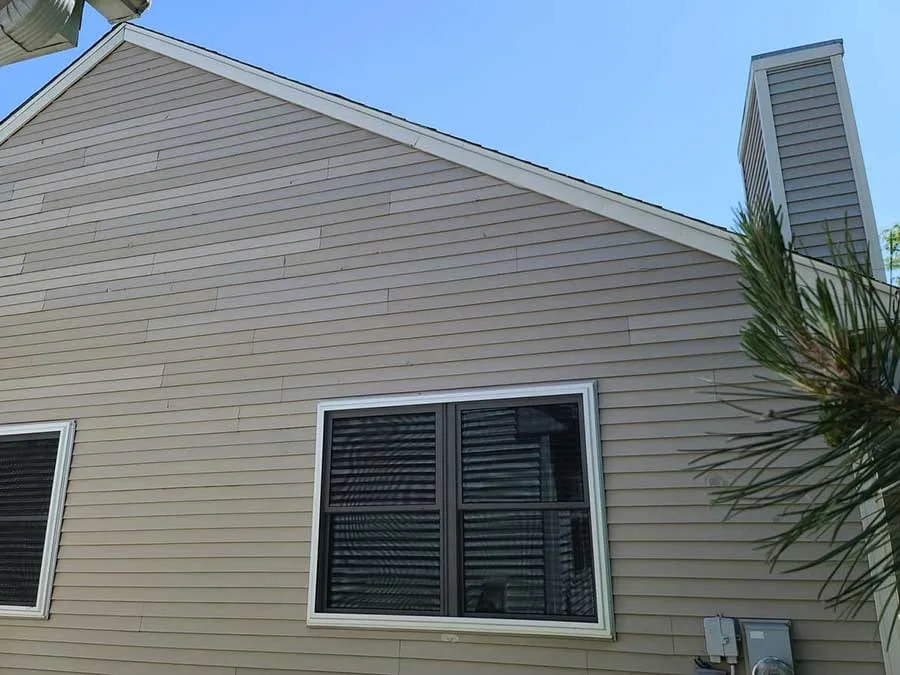
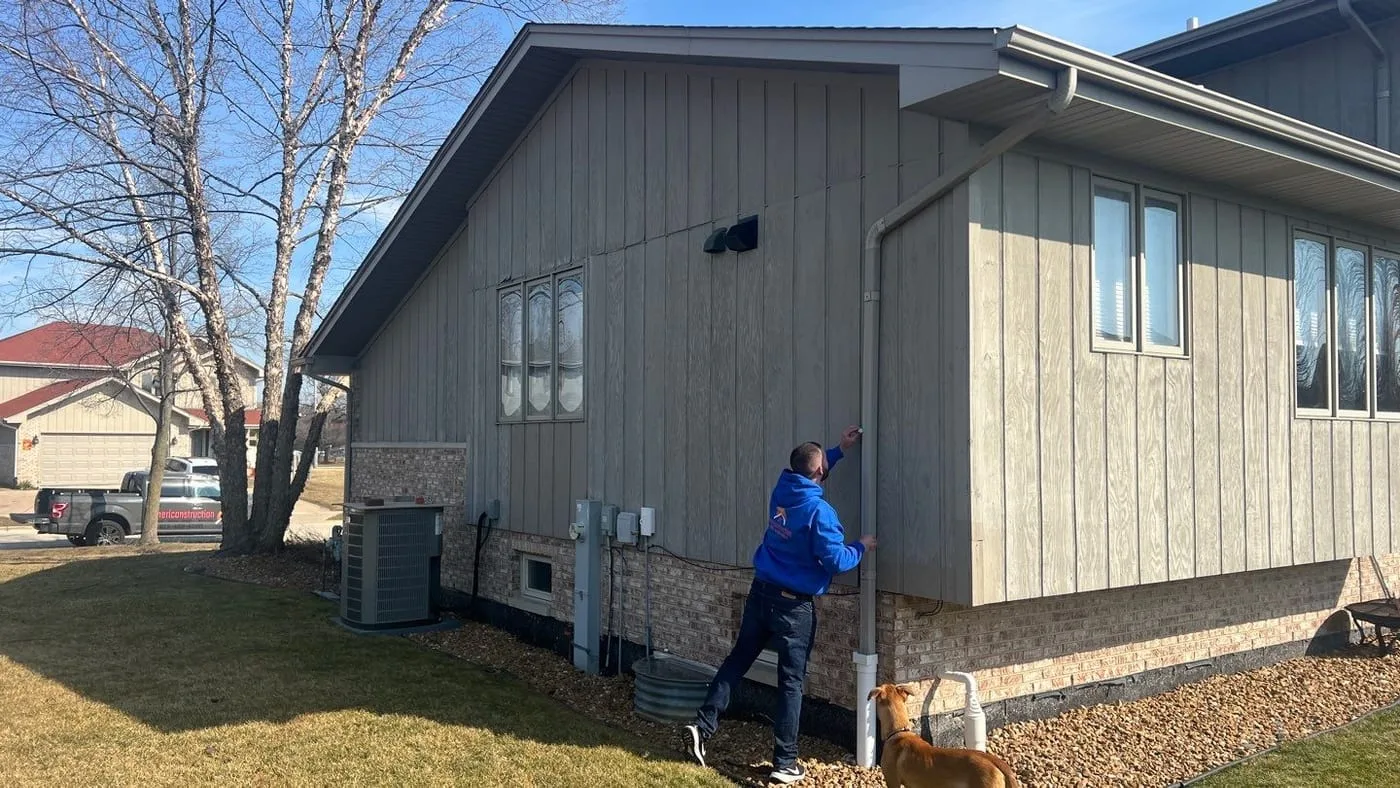
Vinyl siding is available in horizontal lap (Dutch lap and beaded being the most common in the Chicago suburbs), vertical board-and-batten, and shakes and shingles for accent applications. Profile selection affects both appearance and installation requirements.
- Wider reveal profiles (5" and 6") for a traditional appearance
- Narrower reveals to mimic historic clapboard
- Vertical and accent panels with specific nailing requirements
- Profile matched to architectural character and neighborhood context
Thermal Expansion and Proper Installation
Vinyl expands and contracts with temperature changes. A panel installed in July in Illinois can contract significantly by January. If fasteners are driven too tight, panels buckle. If starter strips are set too low, panels sag. These are not rare installation errors. They are among the most common reasons vinyl siding fails prematurely, and they are entirely preventable with correct technique.
We follow manufacturer nailing patterns precisely: fasteners centered in slots, not pinned, with appropriate clearance at each end. House wrap and fanfold insulation are installed beneath the siding to provide a drainage plane and additional thermal resistance, reducing both moisture risk and energy loss through the wall assembly.
Lifespan and Midwest Climate Performance
Quality vinyl siding installed correctly carries a lifespan of 30 to 40 years in the Chicago area. Fade resistance has improved substantially in the past two decades. Modern fade-resistant pigment systems in premium panels hold color far better than products from the 1990s and early 2000s that gave vinyl a poor reputation in some markets. Impact resistance has similarly improved, with some lines carrying Class 4 impact ratings relevant to hail exposure.
Vinyl does not rot, does not require painting, and does not attract insects. In the context of Midwest exterior maintenance, these are meaningful advantages over wood substrates.
Frequently Asked Questions
Quality vinyl siding installed correctly lasts 30 to 40 years in the Chicago suburbs. Products at .044" or greater thickness with fade-resistant pigment systems perform at the higher end of that range. Builder-grade panels installed improperly may show failure signs within 10 to 15 years.
.044" is the minimum we recommend for the Chicago climate. Some premium lines go to .046" or .048". Thicker panels resist buckling, hold color longer, absorb impact better, and maintain dimensional stability through Illinois's wide temperature swings. Avoid anything below .040".
Vinyl siding installation in the Chicago suburbs typically ranges from $8,000 to $25,000 for a standard residential home, depending on square footage, profile complexity, substrate condition, and the amount of trim, wrap, and flashing work required. We provide itemized written estimates after a site inspection.
Yes, when the right product is selected and installed correctly. Premium vinyl with proper expansion allowances, a continuous weather barrier beneath, and correctly flashed penetrations handles freeze-thaw cycles, wind-driven snow, and ice load well. The failure cases in cold climates are almost always product-grade or installation-related, not inherent to vinyl as a material.