Doors

Storm door installation

A properly specified and installed storm door adds a layer of protection to your primary entry, reducing air infiltration, blocking wind-driven rain and improving thermal performance.

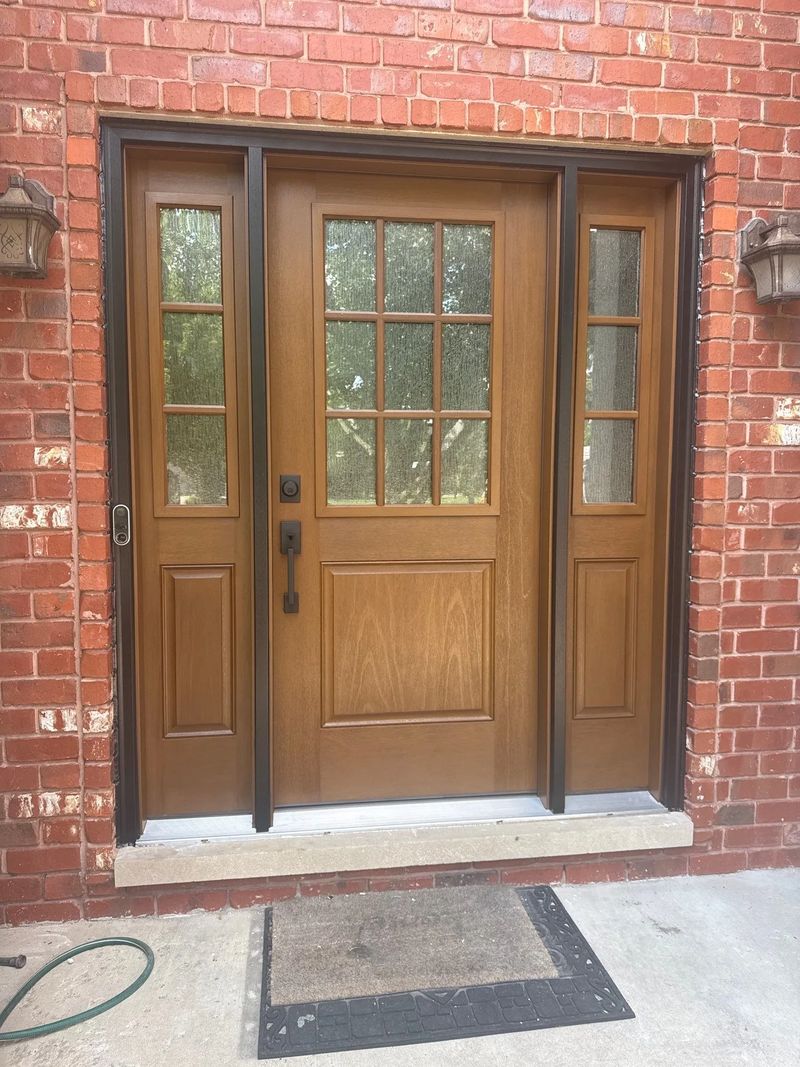
New wood-tone entry door with sidelights set in a brick wall

Protection

What a storm door does

  • Reduces air infiltration. When the primary door opens, the storm door stays closed, blocking the direct exchange of heated or cooled indoor air with outdoor air.
  • Protects the primary door. Wind-driven rain and direct UV wear down door finishes. A storm door shields the primary door and extends the time between refinishing.
  • Ventilates without insects. Full-view and ventilating storm doors with retractable or interchangeable screens let air in while the screened storm door stays closed.
  • Keeps rain off the threshold. Direct water on the entry threshold is one of the more common causes of threshold seal wear and rot at the sill.

Options

Full-view, ventilating, mid-view and high-view

Full-view storm doors

A single large glass panel spans most of the door height for maximum light and visibility. A common choice when the primary door has decorative glass or features worth showing. Some include a retractable screen that deploys over the glass for ventilation.

Ventilating storm doors

Interchangeable glass and screen panels. The glass insert comes out and a screen insert goes in for warm-weather ventilation: full glass in winter, full screen in summer, with a seasonal panel change.

Mid-view and high-view storm doors

Smaller glass areas and more frame coverage, with a more opaque lower section. Usually chosen where the view through the storm door is not a priority.

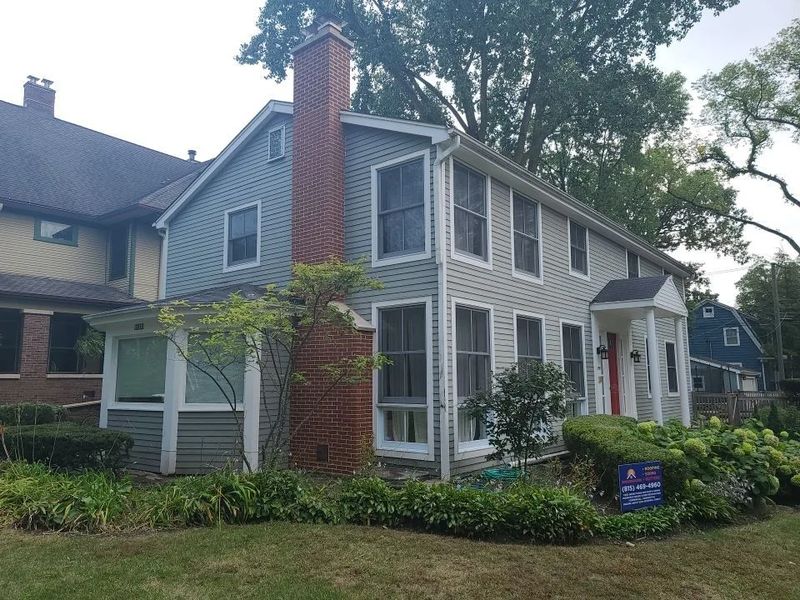
Two-story home with gray lap siding and a red front door under a covered entry porch

Installation

Fit decides how well a storm door works.

A storm door that does not seal against the primary door's frame on all four sides lets in air and water, and that cancels the benefit of having one. We measure the primary door frame precisely, verify that it is square, and specify a storm door that fits the actual opening rather than a standard size that needs shimming or leaves gaps.

Why it pays off in a Chicago climate

  • An extended cold season from November through March, with frequent subzero and near-zero stretches
  • Wind-driven precipitation that hits north and northwest-facing entries directly
  • Freeze-thaw cycling that stresses threshold seals and wears down exposed door finishes
  • Mild spring and fall weather that suits a ventilating screen

Storm door questions

Are storm doors worth it?

For Chicago-area homes with entries exposed to prevailing northwest winds, on north or west-facing entries, or where the primary door has decorative glass or a wood finish worth protecting, storm doors deliver real benefit. Reduced air infiltration, protection for the primary door and screen ventilation together make them a cost-effective addition.

What is a full-view storm door?

A full-view storm door has a single large glass panel spanning most of the door height, giving maximum light and a clear view of the primary door behind it. Many include a retractable screen for ventilation. They suit homes where the primary door has decorative features.

Does a storm door save energy?

Yes, incrementally. A storm door creates a small pocket of air between itself and the primary door, reducing direct cold-air exposure when the primary door opens and adding a layer of insulation across the entry. The savings are modest compared with window replacement or insulation upgrades, but they are real, particularly for older homes with drafty primary doors.

How much does storm door installation cost?

Storm door installation in the Chicago suburbs typically runs $500 to $1,200 installed, depending on door style, glass area, hardware quality and frame condition. We provide written estimates after measuring the opening and assessing the condition of the primary frame.

Free, documented, no obligation

Get a free storm door estimate

We measure the opening, check the primary frame and give you a written estimate.

For homeowners

Free Proof-of-Value Roof Inspection

Photos of every slope, drone coverage when warranted, and a written report you keep whether or not you hire us.

  • No cost, no pressure, no obligation
  • Written report, typically in 2 to 3 business days
  • We inspect roofs no matter who installed them

For commercial buildings, see our commercial inspection.