You get a leak call from a tenant, send someone to patch it, and six months later you get the same call. Meanwhile the roof is on the CapEx list for a year no one can name. A maintenance contract is meant to break that cycle, and whether it is worth it depends on what is actually in it.
Quick answer
A commercial roof maintenance contract is a scheduled program of inspections, drain and debris clearing, small repairs and a written log for each visit. It is generally worth it on any roof you plan to keep, because it catches small problems before they become leaks, supports your manufacturer warranty and gives you a documented record for CapEx planning. It is worth less if the scope is vague, if there is no written report after each visit, or if the roof is already at the end of its life.
What Is a Roof Maintenance Contract?
It is an agreement that a roofing contractor will inspect and care for your roof on a set schedule, usually twice a year, in spring and in fall, and after major storms. The contract spells out what is inspected, what small repairs are included, what is billed separately and what you receive in writing afterward. Think of it as the planned alternative to calling a roofer only when water shows up in a tenant's space.
What Does a Maintenance Visit Include?
A visit should cover the whole roof, not just the spot someone complained about. Our preventative maintenance program follows this pattern:
- Clearing debris from the roof surface, gutters, scuppers and drains.
- Checking membrane condition, seams and laps for splits, blisters or separation.
- Inspecting flashings, curbs, pitch pans and penetrations around rooftop units.
- Sealing small openings and making minor repairs found during the visit.
- Checking rooftop equipment areas for signs of damage from service traffic.
- Photographing what was found and noting what needs a bigger repair or a budget decision.
What Should the Written Log Show?
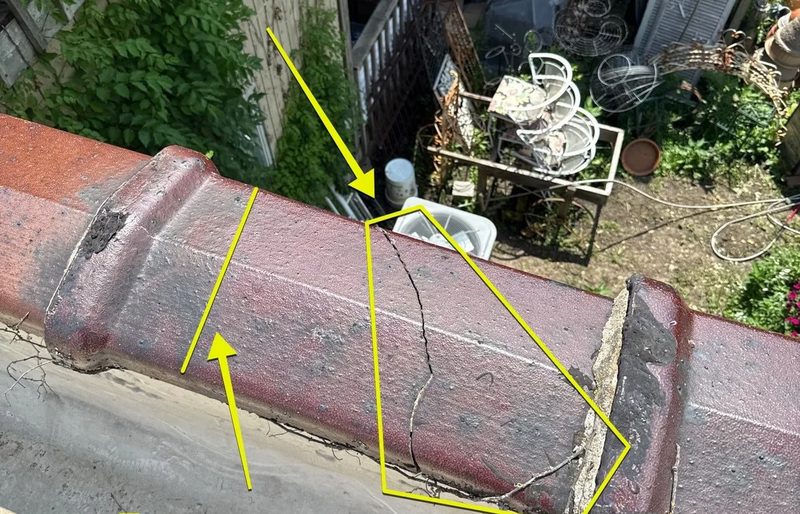
The report is where the value lives. Each visit should produce a record with the date, the areas inspected, photos with locations, what was found, what was repaired on the spot, and what is recommended next with a priority. Over a few years, that log becomes a condition history of the roof: you can see which areas keep returning, how fast the membrane is aging and when a larger project is likely. That is the evidence you want when you are explaining a CapEx request to an owner or a lender.
Does a Maintenance Contract Protect the Warranty?
Many manufacturer warranties expect the owner to keep the roof maintained and to document it. A roof that is neglected, with clogged drains and unreported damage, can give the manufacturer a reason to dispute a claim. A written maintenance record is part of showing you held up your end. Because warranty terms differ by manufacturer and system, read yours and ask your contractor how the program lines up with it.
How Does Maintenance Help with CapEx Timing?
Roofs do not fail on a schedule you choose, but maintenance gives you more control over it. By fixing small problems early and tracking condition, you can extend the service life of a sound roof, and when replacement is coming, you see it years ahead. That lets you plan the spend, align it with your hold period and avoid a forced decision in the middle of a leak season. For owners planning a sale or refinance, a maintained, documented roof also makes the building easier to underwrite.
When Is a Maintenance Contract Not Worth It?
- The roof is past repair. If the insulation is saturated or the membrane is failing across the roof, maintenance only delays the inevitable, and the money is better spent on a replacement or recover plan.
- The scope is vague. If the contract says "periodic inspections" with no list, no report and no photos, you are paying for a promise.
- The contractor will not put anything in writing about what is and is not included.
How Do You Evaluate a Maintenance Program?
- Ask what each visit includes, in a written scope.
- Ask for a sample log from a past visit, with the names removed.
- Ask how repairs found on a visit are priced and approved.
- Ask how the program fits with your manufacturer warranty.
- Ask what happens when a leak call comes in between visits, and get the terms in writing. We do not promise response times we cannot control.
If you are not sure what condition your roof is in, start with a proof-of-value roof inspection, so the maintenance plan is built on the facts. For existing leaks, see our leak repair approach, which is about finding the root cause, not patching the stain.