A storm rolls through, and by morning you've got a tenant reporting water at a light fixture, a rooftop unit that looks shifted and an owner asking whether the roof is covered. A commercial roof claim is bigger and slower than a residential one, and the bigger risk is often not a denial. It's an underpaid claim that leaves you funding the rest of the roof out of next year's CapEx. Here's how to handle it in order.
Quick answer
Handle a commercial roof damage claim in five steps: protect the building and document the damage, notify your carrier within the time your policy requires, get a professional inspection that ties the damage to the storm date, meet the adjuster on the roof with that evidence, then review the carrier's scope line by line and document anything missed for a supplement. Your policy language decides what's covered, so read it, and loop in your broker early.
Step 1: What Should You Do in the First Few Days?
- Protect the building. Most policies expect you to take reasonable steps to prevent further damage. Get active leaks repaired or temporarily protected, and keep the invoices.
- Document everything. Dated photos of interior water, ceiling tiles, damaged inventory or equipment, and anything visible on the roof from a safe vantage point. Keep a log of tenant leak reports with dates.
- Note the storm date. The claim gets tied to a date of loss. Write down when the storm hit and when the first leak was reported.
- Pull your policy. Find the deductible, whether the roof is covered at replacement cost or actual cash value, and the notice requirements.
Step 2: When Do You Have to Notify the Carrier?
Commercial policies have their own notice and filing provisions, and they vary. Check yours and talk to your broker. Don't assume you have a long window because the damage looks minor. If the building took the July 27 or August 11, 2026 storms and a claim hasn't been opened yet, check those deadlines now. Waiting rarely makes a claim stronger, and a later inspection has to work harder to tie the damage to one storm.
Step 3: What Does a Professional Inspection Need to Show?
On a low-slope roof, the damage that matters most often isn't visible from a walk across the membrane. A proof-of-value roof inspection should give you:
- Drone imagery of the full roof, so every section is documented consistently.
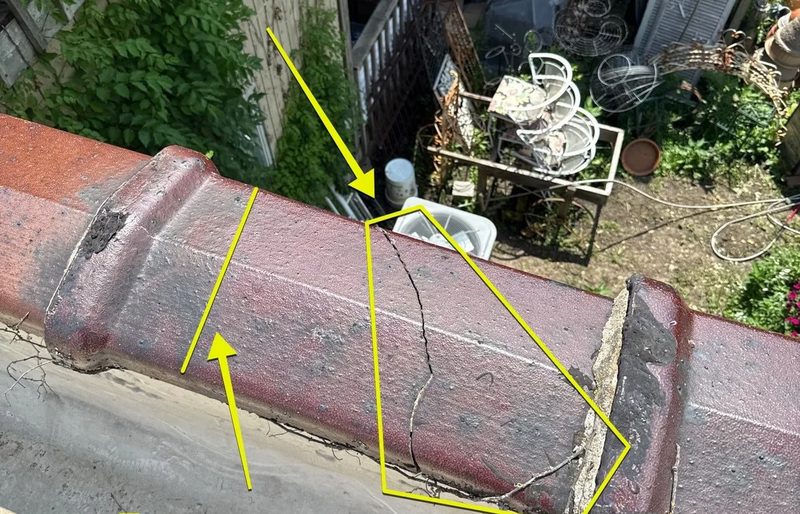
- Close-up photos of punctures, fractured membrane, damaged flashing, dented metal and impacted rooftop equipment.
- Core samples and moisture probe readings to find water trapped under the membrane and confirm how many roof layers the building carries.
- A written report organized by roof section, tied to the date of loss.
That last point matters on older roofs. The adjuster's first question will be what's storm damage and what's age. Evidence organized by section and date is how you answer it.
Step 4: Why Meet the Adjuster on the Roof?
Because the scope gets written from what the adjuster sees and accepts. Having your contractor on the roof with the core results and photos in hand means the damage gets walked together instead of argued about afterward. You open the claim and you stay in control of it. We work strictly as your licensed roofing contractor, not as a public adjuster: we document the damage, walk it with the adjuster and do the work.
Step 5: How Do You Review the Carrier's Scope?
When the estimate arrives, compare it with the inspection, section by section. Things to check:
- Are all the damaged roof sections included, or only the worst one?
- Does it account for wet insulation found in the cores, not just the membrane?
- Are flashings, edge metal, drains and rooftop equipment curbs included?
- Does it address code requirements that apply when the roof is replaced? Whether those are paid depends on your policy's ordinance or law coverage.
- Is depreciation applied, and is any of it recoverable once the work is done?
Anything missed gets documented and submitted to the carrier as a supplement, with the evidence attached. Carriers decide what they pay. Clear evidence is what gives your request a fair hearing.
How Does the Claim Fit Your Hold Period and CapEx Plan?
This is the part most owners skip. A claim settlement is capital, and how you deploy it should match your plans for the asset. If you're holding long term, the settlement plus a planned contribution may fund a full replacement with a fresh manufacturer warranty. If you're selling within a couple of years, a properly scoped repair or recover with documentation may be the better fit for your underwriting. Before you choose, confirm with your carrier and broker how a change in scope affects recoverable depreciation and any lender on the check, since that money is generally released only after the covered work is done. Tenant disruption matters too: on occupied industrial, multifamily or data center buildings, phasing the work around operations is part of the plan, not an afterthought.
We work on commercial roofs across the Chicago Tri-State Area from our office in Mokena, on warehouses, retail centers, multifamily, offices, schools, churches and data centers. Whatever the building, the steps above are the same.
Storm Damage on a Commercial Building?
Get the roof documented with drone imagery, core samples and a written report before you meet the adjuster.
Related Reading
Commercial Proof-of-Value Roof Inspection
Drone imagery, core samples and a written report for every seat at the table.
Hail Damage, Inspections and Insurance Claims
What to do after a storm and how the claim process actually works.